The Real Cost of Spring: Farmer Luke on Fuel, Fertiliser, and the Future of Farming
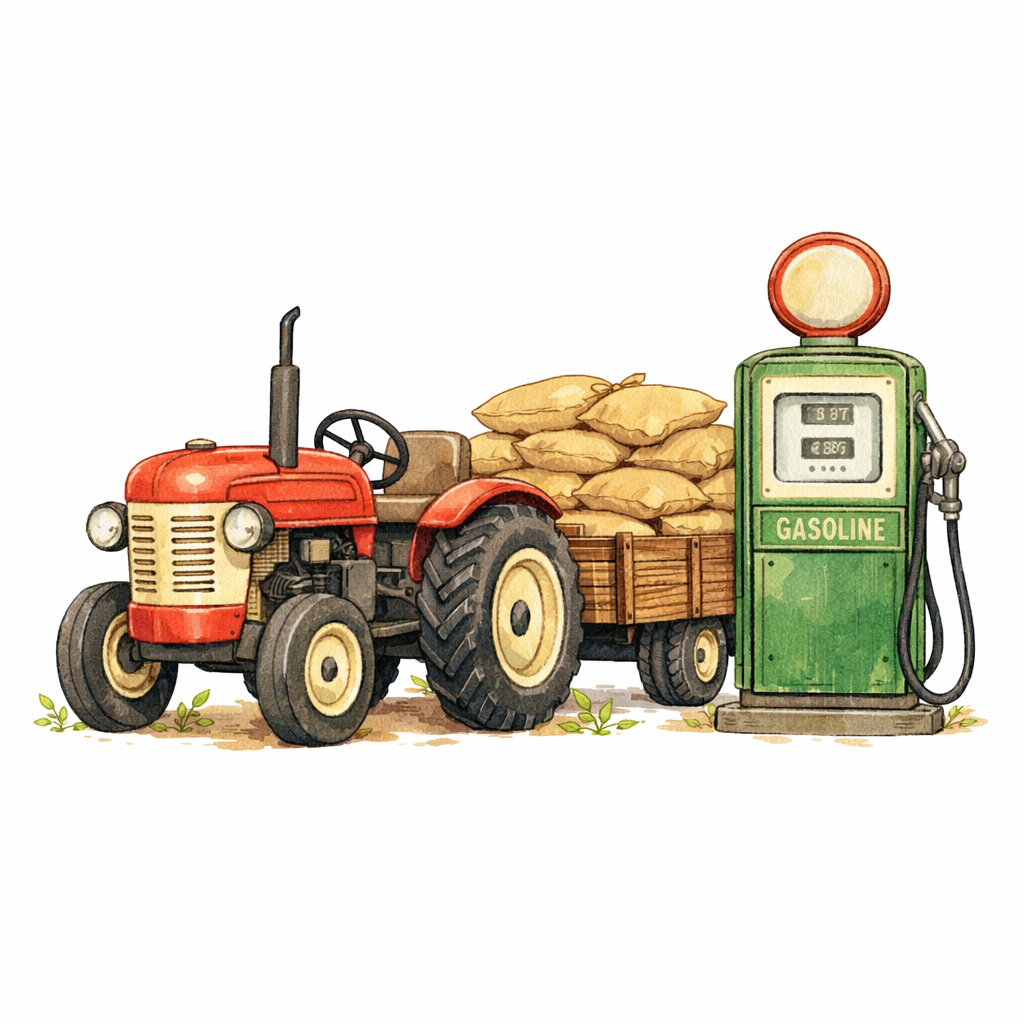
Spring is officially here, and for arable farmers across the UK, that means one thing: the tractors are rolling. But this year, the excitement of planting season is being overshadowed by a dark cloud of rising input costs.
To understand what’s really happening on the ground, we look to Farmer Luke, a proud Cambridgeshire County Council tenant. The county's farms estate—the largest local authority-owned landlord in the UK, spanning 13,354 hectares with 160 tenants—offers some of the best opportunities for new entrants to get started in farming. Without it, Luke genuinely believes he wouldn't be farming today. But even with a great foundation, the current economic climate is testing the resilience of the industry.
The Fuel Price Lottery
Right now, the fuel price is a major source of anxiety. It keeps going up, and the volatility is staggering. As Luke points out, you can order a tank of red diesel and have absolutely no idea how much you’ve actually paid until the invoice arrives after delivery.
With spring preparations in full swing, especially preparing the land for potatoes, the fuel burn rate is immense. Running three tractors simultaneously means going through a full tank each day per machine—that’s 200 to 300 litres of diesel per tractor, per day. When you do the math, the numbers are terrifying. With production costs already sitting dangerously close to farmgate prices, these soaring fuel bills are making it a deeply worrying time for the industry.
A Natural Solution: The Case for Seaweed
If we can't control the price of diesel, we have to look at other inputs—namely, fertiliser. Chemical fertiliser prices have been on a rollercoaster for the last few years, squeezing margins even tighter.
One increasingly viable solution is turning to the ocean. By supplementing traditional synthetic fertilisers with 25% to 50% liquid seaweed extract, farmers can significantly reduce their reliance on expensive, fossil-fuel-heavy chemicals. Seaweed isn't just a cheap filler; it's packed with micronutrients, amino acids, and natural growth hormones that stimulate root development and improve the plant's natural resistance to stress and disease. It’s a win-win: lower input costs and healthier, more resilient soil.
The Power of the Farming Network
But finding alternatives like seaweed requires knowledge sharing. Farming can be an incredibly isolating profession, often consisting of long hours alone in a tractor cab.
Now, more than ever, farmers need a dedicated way to network and share their problems. If there was a streamlined platform for the agricultural sector to communicate—not just with each other, but with other industries—we could unlock massive efficiencies. A problem a potato farmer in Cambridgeshire is facing with machinery or logistics might have already been solved by an engineer in the manufacturing sector. By opening up the lines of communication, farmers can pool their collective wisdom to negotiate better prices, share equipment, and innovate their way out of the current cost-of-production crisis.
Bringing Farming to Life
Despite the mounting pressures, Farmer Luke remains a fierce advocate for the future of British agriculture. He is a firm believer in education and loves getting into local primary schools to talk about how we actually produce food on a working farm—complete with loads of props, and sometimes even a tractor if he can swing it!
As part of the NFU Education Farmers for Schools programme, he visits secondary schools to explain the delicate balance between food production and environmental stewardship. For Luke, it’s all about starting a conversation and getting young people to think critically about food—where it comes from, and what it takes to grow it.
One of his biggest highlights was heading down to Downing Street a few years ago with NFU Education to run a workshop with a school, right there in front of Mrs Murty. It was an unforgettable experience (and yes, he even got to meet Larry the cat 🥔🚜).
Outside of his school work, Luke is a proud NFU member, chairman of his local branch, and sits on the Potato Growers Forum. Whether he's meeting with MPs or speaking on TV, radio, and in the newspapers, he is constantly working to make agriculture better for everyone who works in it, and to raise vital awareness of British food production.
The challenges of fuel and fertiliser aren't going away overnight. But with advocates like Luke pushing for education, and the industry looking toward innovative solutions like seaweed and better networking, British farming will find a way to keep the tractors rolling.
Featured in this story
End of Article