The Rise of Hydroponic Herbs & The Ultimate Basil Pesto Recipe
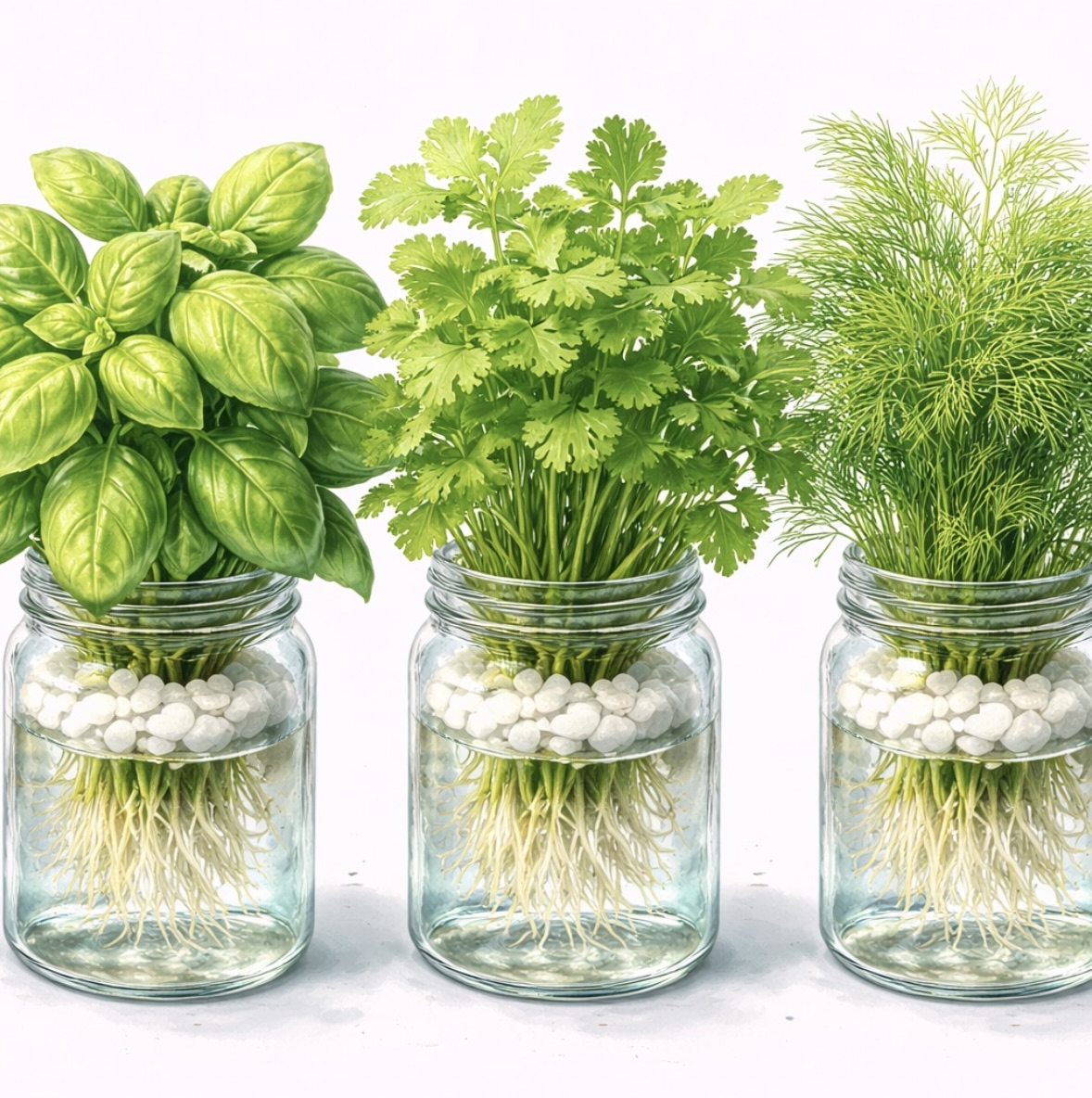
The industry is currently obsessed with "urban farming" gadgets that look more like medical equipment than gardening tools. While I’ll always prefer the feel of honest muck between my fingernails, there's no denying that hydroponics is gaining ground in the UK.
Soil is King, But Results Matter
Purists will tell you that growing in water is "cheating." Frankly, I don't care about the ethics of a lettuce leaf; I care about how it tastes and how quickly it hits the plate. If you can shave three weeks off a growing cycle by ditching the soil, you’d be a fool not to consider it for your winter herbs.
Precision Over Luck
In an allotment, you’re at the mercy of the British weather and whatever pests haven't been killed off by a hard frost. With a controlled indoor setup, you're the master of the universe. Just don't expect the plants to do the work for you—without soil to buffer your mistakes, a nutrient deficiency will kill a crop in 24 hours.
The NPK Breakdown: Don’t Guess
If you aren't monitoring your Nitrogen (N), Phosphorus (P), and Potassium (K), you aren't gardening; you're just hoping. I’ve seen far too many "indoor gardens" that look like a collection of wilted yellow rubbish because the owner forgot the basics.
- Nitrogen (N): This is your engine for leafy growth. If your basil isn't a deep, vibrant green, you’ve starved it.
- Phosphorus (P): Critical for root strength and the transition to flowering.
- Potassium (K): This is the "immune system" and the key to fruit quality.
Fix Your Yellowing Crops
If your basil or spinach looks pale and pathetic, stop over-watering and start feeding. A high-quality liquid seaweed extract is the best tonic I’ve found for a struggling plant. Give it a proper dose and keep your grow room at a steady 20-22°C—anything less and you're wasting your time.
The Main Event: Pesto-Crusted Rack of Lamb
Vegetables are fine accompaniments, but a garden's bounty should always serve a proper piece of meat. This isn't a "light lunch" recipe; it’s a hearty meal designed to follow a long day of digging. We’re using that hydroponic basil to create a crust for a prime British rack of lamb.
Ingredients:
- 1 or 2 high-quality racks of lamb (fat cap left on)
- 2 big handfuls of fresh basil leaves
- 50g pine nuts (toasted until golden)
- 50g grated Parmesan
- 2 garlic cloves, crushed
- 150ml extra virgin olive oil
- Salt, black pepper, and a knob of butter
Method:
- The Meat: Season the lamb aggressively. Sear it in a hot cast-iron pan with a bit of lard or beef dripping until the fat is rendered and golden.
- The Pesto: While the meat rests, blitz the garlic, pine nuts, and basil in a processor. Don’t turn it into a puree; you want texture.
- The Bind: Stir in the cheese and slowly drizzle the oil until it’s thick and pasty.
- The Crust: Slather a thick layer of the pesto over the fat side of the lamb. Press it down so it sticks.
- The Roast: Blast it in a hot oven (200°C) for 10-15 minutes until the lamb is a perfect medium-pink and the crust is sizzling.
Why It Works
The acidity of the basil and the saltiness of the Parmesan cut straight through the richness of the lamb fat. Serve it with some roasted potatoes done in the same pan. If you’ve grown the basil properly using the NPK ratios I mentioned, the flavor will be punchy enough to stand up to the meat. Anything less is just a garnish.
Featured in this story
End of Article