The Hampshire Hack: How New Forest Asparagus Hit Shelves 6 Weeks Early
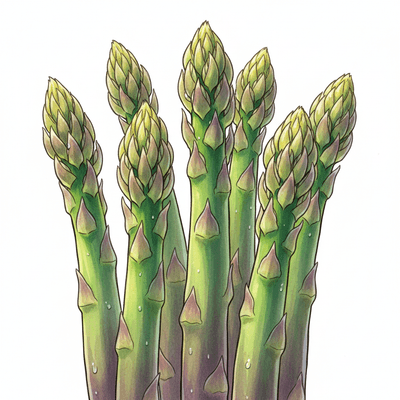
The traditional British asparagus season is famously brief—a frantic eight-week window from late April to June that chefs and gardeners alike treat with religious reverence. But in Hampshire, the New Forest Fruit Company has just smashed the schedule, bringing the first spears to market a staggering six weeks early.
This isn't a result of "forcing" with artificial lights or energy-hungry heaters. Instead, it’s a masterclass in precision horticulture and circular economy techniques.
The Secret is in the Husks
Owner Sandy Booth isn't growing these spears in the heavy Hampshire clay. Instead, they are using recycled coir—a natural fibre derived from coconut husks.
In a brilliant display of sustainability, the coir is a "second-life" medium. It is first used for the farm's strawberry production for two years before being repurposed for asparagus. This substrate provides superior drainage and aeration, but more importantly, it allows for much tighter control over the root environment.
Trapping the Hampshire Sun
To beat the spring frosts, the company employs a "low-tech, high-intelligence" approach to heat management:
- Polytunnels: The coir beds are housed in tunnels that capture natural solar gain.
- Fleece Coverings: Within the tunnels, the crops are tucked under heavy fleece to trap every degree of ground warmth.
- The 10°C Rule: By keeping the medium consistently above 10°C, the plants break dormancy months ahead of their field-grown cousins.
The result isn't just speed; it’s quality. The controlled environment helps raise Brix levels (sugar content), resulting in a spear that is sweeter and nuttier than traditional early imports.
A LEAF in the Right Direction
As a LEAF (Linking Environment and Farming) demonstration farm, the New Forest Fruit Company isn't just about early yields. Their operation is a model for the future of British farming:
- Water Sovereignty: They utilize extensive rainwater harvesting from the tunnel gutters, storing it in reservoirs for dry spells.
- Residue-Free: The asparagus is grown without pesticides or herbicides, relying on hand-weeding and biological controls (natural predators) to manage pests.
- Biodiversity: The farm is home to "beetle hotels," bat boxes, and dedicated wildlife corridors, proving that high-intensity production doesn't have to mean a sterile environment.
Where to Find It
If you want to taste the future of the British season, the early New Forest crop is currently being supplied exclusively to Tesco stores.
For the rest of us, it’s a powerful reminder that with the right medium and smart heat management, the "rules" of the British sowing calendar are more like suggestions. If you're looking to push your own allotment boundaries this March, take a leaf out of the New Forest book: start with the soil (or the coir) and mind the temperature.
Want to know exactly when to start your own Hampshire-beating crops? Check the SowTimes UK Calendar.
Featured in this story
End of Article