The Death of the Mushy Sprout: Why Traditional Trenching Triumphs
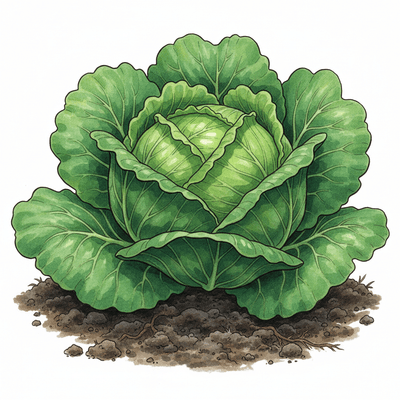
British gardeners have gone soft. We coddle our crops with flimsy plastic cloches and weak liquid feeds, then wonder why our winter veg tastes of damp disappointment. If you want a brassica that can hold its own against a rich, fatty roast goose this winter, you must return to the iron discipline of the Victorian kitchen garden.
It is late June, the absolute deadline to get your winter brassicas into their final, unforgiving positions. Forget the modern nonsense of light, no-dig compost mulches. Your Brussels sprouts and Savoy cabbages demand deep, heavily manured trenches and a remarkably firm footing.
The Art of the Iron Boot
Brassicas are ultimate masochists; they thrive on severe soil compression. When planting out your plugs this week, do not gently pat the earth as if tucking in a toddler. Stomp them in with your heaviest leather boots until the soil is as hard as a country lane.
Loose soil is the primary cause of "blown" sprouts—those loose, leafy disappointments that waterlog on the plate. A firmly compacted root run forces the plant to grow squat, sturdy, and packed with dense buttons. It is a traditional technique that guarantees a heavy, high-yield harvest.
Feed Them Like Kings
To achieve those prized, nut-sweet buttons, you must feed your soil aggressively. I eschew modern synthetic pellets in favour of a deep layer of well-rotted horse manure buried a foot beneath the planting line. This encourages the taproots to dive deep, securing a steady supply of nitrogen through the dry summer months.
This deep-trenching method ensures the plants develop a massive root network. When the harsh winter winds howl across the allotment, these plants will stand immovable. There is no shortcut to productivity; you must put in the spade work now to reap the rewards in December.
Waiting for the Bite of Frost
Do not dare harvest your sprouts before the first genuine British frost hits -2°C or lower. The biting cold triggers a natural defense mechanism in the plant, converting bitter starches into glorious, complex sugars.
It is this precise chemical alchemy that makes the sprout the undisputed king of the winter table. There is nothing finer than a tight, frost-sweetened sprout pan-fried in butter with thick-cut pancetta, served alongside a glistening joint of roast beef.
The Master’s Verdict
Master grower Alistair Burke, a veteran of the National Vegetable Society, agrees that patience and traditional prep are dying arts. "The modern grower wants everything fast and soft," Burke told me over a pint of bitter. "But a proper winter cabbage should be tough enough to dent a spade before it ever reaches the boiling pot."
By returning to deep trenching and heavy manuring, Burke regularly secures yields that double those of his modern, "delicate" neighbours. It is time to put away the plastic shortcuts, pick up the spade, and grow brassicas the way our ancestors intended.
Sources
Imagery Suggestion
A beautiful, highly detailed Studio Ghibli style botanical illustration of a robust, frost-dusted Savoy cabbage growing in rich, dark soil. The cabbage leaves are deep emerald and sage green, textured with intricate, hand-drawn veins and glittering with tiny ice crystals. The background shows a soft, misty British allotment morning with warm, golden sunlight breaking through the winter haze, rendered in classic hand-painted gouache style. This image should be saved as /plants/CABBAGE.png.
Featured in this story
End of Article