The Tyranny of the Modern Grow-Bag: Why Traditional Ring Culture Rules
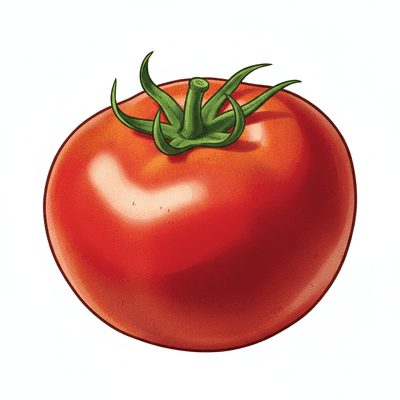
July in the UK is the ultimate litmus test for any serious kitchen gardener. While the amateurs are currently drowning their polytunnels in cheap liquid feeds, hoping for a mid-summer miracle, the true masters of the craft are quietly preparing for a vintage harvest. They aren't relying on modern gimmicks or mass-market potting soils that promise the earth but deliver waterlogged disappointment. Instead, they are looking to the past to coax the absolute maximum flavour out of their vines.
The Flaw of the Modern Fast-Track
Let us be brutally honest: the modern, peat-free grow-bag is a horticultural tragedy. These flimsy plastic sacks squeeze root systems into shallow, stagnant pockets of warmth, producing watery, characterless fruit. To build genuine depth of flavour, you must force the tomato's root system to actually work for its living. True productivity is born of structure, drainage, and a strict watering discipline that modern compost bags simply cannot provide.
Enter Ring Culture: The Victorian Masterclass
The old-school estate gardeners of the nineteenth century understood this perfectly, which is why they pioneered "ring culture." This ingenious method utilizes bottomless pots—the "rings"—filled with rich compost, sitting atop a deep bed of aggregate such as washed gravel or cinders. The plant responds by developing two entirely distinct root systems. The top roots in the compost ring feast on dry nutrients, while the bottom roots plunge into the damp aggregate below to quench their thirst.
Feeding the Beast
This separation of church and state for roots prevents the classic disaster of blossom end rot and split skins. For feed, ignore the synthetic, vegan-certified chemicals dominating the garden centre shelves this season. Stick to a traditional, heavy dressing of blood, fish, and bone at the base, supplemented weekly with a pungent, home-brewed comfrey liquid. Keep your glasshouse at a steady 21°C to 24°C, venting early on warm July mornings to ensure excellent air circulation.
The Ultimate Reward
The result of this rigorous discipline is a tomato with a thick, taut skin, dense flesh, and a sharp, complex acidity. These are not salad garnishes; they are substantial ingredients built to stand up to robust flavours. Slice your harvest thick, scatter with sea salt, and serve them alongside a thick-cut, dry-aged ribeye steak cooked rare over screamingly hot coals. That, quite simply, is the taste of a proper British summer.
Sources
- Royal Horticultural Society (RHS) Advice on Tomato Ring Culture: https://www.rhs.org.uk/advice/grow-your-own/vegetables/tomatoes
- SowTimes Archive: Traditional Glasshouse Management (1954): https://www.sowtimes.co.uk/archive/glasshouse-management
Imagery Suggestion
A Studio Ghibli style botanical illustration of a lush, sun-drenched Victorian glasshouse interior. The focus is on a heavily laden tomato vine growing from a traditional terracotta ring pot sitting on a bed of grey gravel. Warm, golden sunlight filters through slightly dusty glass panes, casting soft shadows, with rich, hand-painted details of deep green leaves and vibrant, glossy red tomatoes.
Path: /plants/TOMATO.png
Featured in this story
End of Article