Stop Pampering Your Peaches: The Lost Art of the Victorian Brick Wall
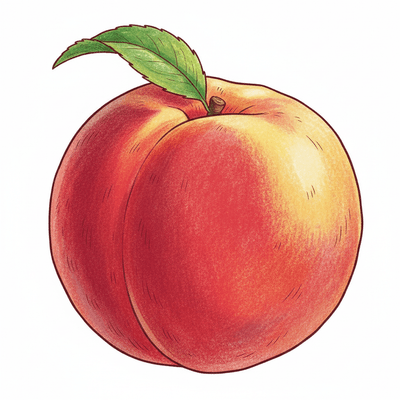
Modern British gardeners have grown remarkably soft. We coddle our fruit trees in ugly plastic structures and douse them in imported feeds, hoping for a miracle. The Victorians, however, understood that true productivity requires structure, discipline, and a very solid brick wall.
If you want to harvest peaches that actually taste of something this summer, it is time to abandon modern gimmicks and return to traditional masonry.
The Thermal Majesty of Red Brick
A south-facing brick wall is not merely a boundary; it is a highly efficient horticultural engine. During a typical British summer day, these massive clay structures absorb solar radiation, easily reaching temperatures upward of 30°C. As the evening chill settles over the garden, the brick slowly releases this stored warmth, maintaining a stable, elevated microclimate of around 20°C.
This thermal stability is exactly what delicate stone fruits crave to develop their sugars. By planting your trees directly against a lime-washed wall, you bypass the need for artificial heating entirely. It is a masterclass in traditional physics that yields spectacularly sweet results.
The Uncompromising Discipline of the Fan-Train
You cannot simply plant a peach tree against a wall and walk away. To maximise yield, one must master the rigorous art of fan-training. This traditional method ensures that every single leaf receives its fair share of the British sunshine.
By pinning the branches flat against a mortar-anchored trellis, you force the tree to redirect its energy from chaotic upward growth into fruit production. Prune ruthlessly in the late summer, removing unproductive wood to allow air to circulate freely. This strict spatial management prevents rot and guarantees that every peach grows plump, blushed, and utterly flawless.
The Devotional Harvest
A supermarket peach is a watery disappointment, flown in from warmer climes and picked far too early. A wall-grown English peach, harvested at the absolute peak of its July ripeness, is an entirely different beast. The skin should yield to the gentlest pressure from your thumb, releasing an intoxicating, honeyed aroma.
To truly appreciate the fruits of your labour, pair these warm, sun-drenched peaches with a rich, crispy-skinned roast duck breast. The sharp sweetness of the fruit cuts through the decadent fat of the meat in a way that modern supermarket produce simply cannot match. It is a classic British pairing that demands the very best from your garden.
Sources
- The Royal Horticultural Society: Growing Peaches in the UK
- The Victorian Walled Garden Project: Archives on Microclimates
Imagery Suggestion
A beautiful, warm-toned Studio Ghibli style botanical illustration of a lush peach tree laden with heavy, blushed pink fruits, meticulously fan-trained against a sun-dappled, rustic red-brick wall. Soft, golden sunbeams slice through green leaves, casting gentle shadows on the warm clay mortar. Use the image path /plants/PEACH.png.
Featured in this story
End of Article