The Lost Art of the Espalier: Why Modern Gardens Need Victorian Discipline
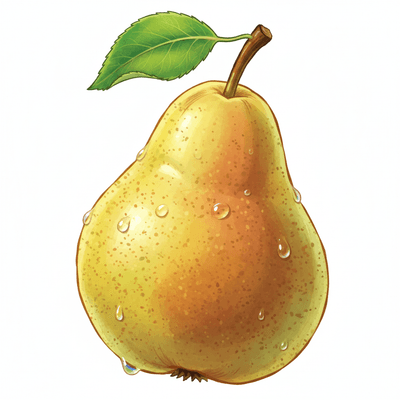
Let us face facts: modern British gardens have become terribly lazy. We have traded the rigorous elegance of traditional kitchen gardens for a chaotic, self-indulgent "wild" aesthetic that is often just an excuse for poor husbandry. True productivity requires discipline, and there is no finer example of horticultural authority than the trained fruit tree.
By forcing apples and pears into structured, two-dimensional forms against a warm brick wall, we reclaim both space and yield. It is a method perfected by the Victorians, and it remains the single best way to grow premium fruit in our temperate British climate.
The Triumph of Form over Chaos
An espalier is not merely a tree; it is a architectural triumph. By training lateral branches along horizontal wires, you ensure that every single blossom receives an equal share of the British sunshine. In the height of summer, when temperatures hover around a pleasant 22°C, these flat stone walls act as radiators, ripening fruit to a sweetness that free-standing trees can only dream of.
Furthermore, this method turns bare, unproductive boundary walls into highly efficient food factories. Instead of a sprawling, unmanageable canopy, you get a neat, accessible barrier that is incredibly easy to net against birds. It is high-density gardening at its most sophisticated.
Ruthless Summer Pruning
To maintain this productive masterpiece, you must be utterly ruthless with the secateurs during the summer months. July and August are the critical times to strike, cutting back the current season's leafy lateral growth to just three leaves above the basal cluster. This redirects the tree's energy away from pointless leaf production and forces it into developing fat, fertile fruit buds for next spring.
Do not sentimentalise the foliage; cut it back with confidence. This rigorous pruning allows air to circulate freely through the branches, keeping troublesome fungal diseases at bay without resorting to modern chemical interventions. Tradition, as it so often does, provides the perfect solution.
From Brick Wall to Dinner Plate
The ultimate reward of this discipline is, of course, the harvest. There is nothing quite like gathering heavy, sun-warmed heritage pears, such as the exquisite 'Doyenné du Comice', directly from a south-facing wall in late September. These are not the tasteless, uniform specimens found on supermarket shelves, but rich, buttery fruits boasting a complex acidity.
In the kitchen, these pears demand a pairing of equal stature. Roast them alongside a prime loin of wild British venison, allowing the sweet, caramelized fruit juices to mingle with the rich, gamey gravy. Alternatively, a tart damson or plum grown in a traditional fan shape makes the perfect, glossy accompaniment to a slow-roasted, crispy rack of Gloucester Old Spot pork.
Sources
- For historical context and training techniques, consult the Royal Horticultural Society Guide to Espalier Training.
- To source heritage fruit varieties grafted onto dwarfing rootstocks, visit the National Fruit Collection.
Imagery Suggestion
A beautiful, warm-toned Studio Ghibli style botanical illustration. The scene features a weathered, red-brick Victorian garden wall bathed in soft, golden late-summer sunlight. Trained perfectly against the bricks is an espalier pear tree, its branches heavy with large, blushing green and yellow pears (/plants/PEAR.png). In the background, a hint of a neat gravel path and the edge of a traditional English kitchen garden can be seen, rendered in lush, hand-painted textures with soft, nostalgic lighting.
Featured in this story
End of Article