The Tyranny of the Vine: Why Your Summer Tomatoes Demand the Knife
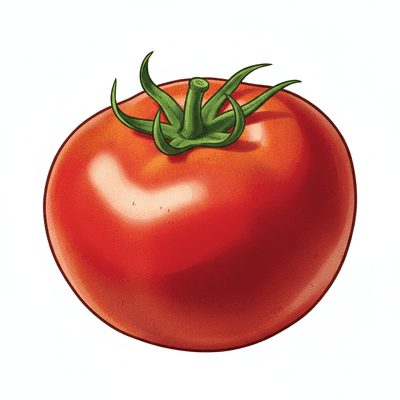
July has arrived, and with it, the inevitable jungle of unruly tomato vines in glasshouses across the UK. Too many amateur growers treat their plants like delicate museum pieces, fearing the shears. If you want a harvest worthy of the table, it is time to shed this squeamishness and get brutal with your pruning.
The Cruelty of Kindness
A tomato plant left to its own devices is a lazy, indulgent creature. It will happily pump all its energy into lush, useless foliage rather than swelling its fruit. To force maximum productivity, you must relentlessly pinch out those side shoots that emerge between the leaf and the main stem. Keep them single-stemmed, cordoned, and strictly under control.
This is not a chore to be done occasionally; it is a weekly discipline. By removing these vegetative freeloaders, you direct the plant’s entire circulatory system into the developing trusses. It is the only way to achieve the uniform, heavy fruit required for serious culinary use.
Feed for Muscle, Not Myth
Forget the flimsy, modern liquid formulas that promise miracles but deliver watery, tasteless globes. Traditional British growers know that true flavour and density come from deep, nutrient-dense loam prepared with well-rotted farmyard manure. A solid foundation of rich organic matter is irreplaceable.
Once the first trusses have set, a simple, high-potash drench is all that is required to finish the job. We are aiming for robust, meaty fruits with a perfect balance of acidity and sugar. Anything less is a waste of valuable glasshouse space.
Managing the British Heat
When the British summer occasionally behaves and glasshouse temperatures soar above 30°C, ventilation becomes your primary weapon. Keep your vents wide open and damp down the gravel paths to keep the air moving. This traditional technique prevents blossom end rot and keeps pollination rates high.
Never let the roots dry out completely, but avoid creating a swamp. Consistency in watering is the hallmark of the master grower. A fluctuating water table in the pot is the fastest route to split skins and ruined crops.
The Butcher's Companion
Let us be entirely clear: a perfect tomato is not a standalone salad ingredient. The ultimate destiny of a properly grown heritage beefsteak is to sit alongside a thick, medium-rare ribeye steak.
Layer thick slices of sun-warmed tomato over the hot, resting beef, allowing the juices to mingle. Drizzled with cold-pressed rapeseed oil and a pinch of flaky sea salt, the rich, mineral fat of the meat cuts through the sharp acidity of the tomato in absolute harmony. This is the true reward of horticultural discipline.
Sources
- The Royal Horticultural Society: Growing Tomatoes
- The Commercial Growers' Guide to Solanaceous Crops
Imagery Suggestion
A beautiful, Studio Ghibli-style botanical illustration depicting a corner of a rustic Victorian English glasshouse. Sunlight streams through warm, slightly dusty panes, illuminating heavy, deep-red heritage tomatoes hanging from a perfectly pruned cordon. The style should feature hand-painted watercolor textures, soft shadows, and vibrant green foliage, evoking a nostalgic, cozy atmosphere of traditional British gardening.
File path: /plants/TOMATO.png
Featured in this story
End of Article