Muck, Muscle, and Masterclass: Why Modern Feeds Can’t Touch Traditional Trenching
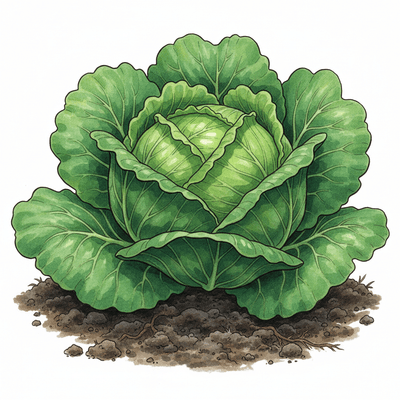
Walk into any modern garden centre today and you are bombarded with shelves of neon-coloured, plastic-bottled liquid feeds promising overnight miracles. It is a lazy, superficial approach to horticulture that produces bloated, tasteless crops. True growers know that real abundance is built from the bottom up, long before the seed even meets the soil.
This week, I journeyed to the heart of Gloucestershire to visit Arthur Pendelton, a master grower who still practices the uncompromising art of Victorian deep-trenching. His walled garden is a masterclass in sheer productivity, boasting rows of Savoy cabbages so robust they look capable of defying a sudden frost of minus ten Celsius. Arthur has no time for modern gimmicks; his secret is pure, unadulterated tradition.
The Fallacy of the Quick Fix
The modern obsession with instant gratification has ruined the flavour of the British vegetable patch. Synthetic fertilizers act like fast food for plants, forcing rapid, watery growth that leaves crops vulnerable to pests and utterly devoid of character. Arthur’s prize-winning brassicas, by contrast, are built on patience and physical graft. He scoffs at the notion of spoon-feeding plants from a plastic bottle when the real work should be done with a spade.
The Gloucestershire Deep-Trench Method
To achieve such legendary yields, Arthur relies on a rigorous July trenching routine. He digs his trenches a full two feet deep, packing the bottom with a generous layer of well-rotted horse manure sourced from local stables. This is topped with a rich blend of mature leaf mould and heavy loam, creating a deep reservoir of nutrients that retains moisture through the dry late-summer weeks. The result is a root system that goes deep, anchoring the plant and drawing up essential minerals that shallow-watered crops never reach.
From Soil to Roast Plate
You cannot argue with the results when you sit down at Arthur’s table. We enjoyed a magnificent Sunday lunch featuring a thick, succulent slab of rare Hereford beef, dripping-roasted potatoes, and a mountain of his freshly harvested Savoy cabbage. The cabbage was a revelation—crisp, peppery, and incredibly sweet, standing up beautifully to a rich, glossy bone-marrow gravy. This is what food is supposed to taste like, born from rich earth and proper animal muck.
Get Your Hands Dirty This July
If you want to replicate this level of productivity in your own plot, now is the time to act. Stop wasting your money on chemical concoctions and go find a local livery yard willing to part with their well-rotted manure. Dig your trenches, pack them tight, and plant out your autumn brassicas with absolute confidence. Your dinner table, and your family's appetite, will thank you for the effort.
Sources
- The Royal Horticultural Society: Growing Brassicas
- SowTimes Archives: The Art of Clay Soil Management
Imagery Suggestion
A beautiful, hand-drawn Studio Ghibli style botanical illustration of a giant, dew-kissed Savoy cabbage nestled in rich, dark Gloucestershire loam. The cabbage should have deep, textured veins in shades of emerald and sage green, with soft, golden sunlight filtering through a rustic brick garden wall in the background. The path to the image should be /plants/CABBAGE.png.
Featured in this story
End of Article