The Glorious Return of the Victorian Hotbed
Let us be entirely honest: modern British gardening has lost its spine. We have traded the rigorous, muscular techniques of our Victorian forebears for flimsy plastic plug trays and thermostatically controlled electric mats. It is a lazy, sterile approach to horticulture that yields entirely mediocre results.
If you want true productivity during the bleakest British months, you must look to the traditional stable yard. The manure-heated hotbed is the undisputed king of early season propagation, turning winter waste into high-yielding thermal energy. By harnessing the natural fermentation of fresh horse manure, we can create a self-heating engine of growth that laughs in the face of February frosts.
Harnessing the Steam of the Stable
The construction of a proper hotbed is a beautifully simple process, though it requires a satisfying amount of physical graft. You pack a mixture of fresh, straw-rich horse manure into a neat, rectangular bed at least one metre deep. As the microbes break down the organic matter, they generate an astonishing, steady heat of 20°C to 25°C.
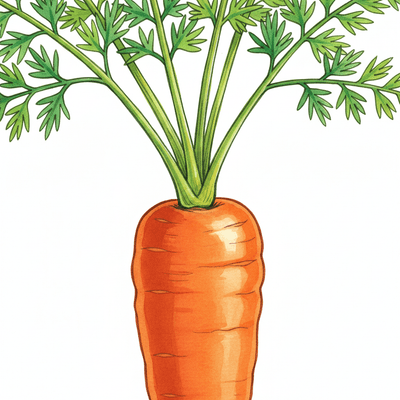
Top this steaming mass with a sharp, fertile topsoil and seal it with a classic timber cold frame. You have just built a natural microclimate that will mock the bitterest winter weather. It is the perfect, nutrient-dense nursery for forcing early heritage carrots, turnips, and succulent spring onions.
Precision Heat Without the Plug
Why pay the energy companies to heat your glasshouse when you can rely on the thermal majesty of traditional biology? Modern gardeners often fear the odour, but a well-constructed hotbed smells merely of sweet, fermenting straw and rich, warm earth. It is a clean, honest warmth that plastic cords and electric thermostats can never replicate.
This constant, gentle bottom heat encourages rapid, robust root development before the top growth even thinks about stretching. Your seedlings will emerge sturdy, resilient, and utterly devoid of the legginess that plagues indoor-sown seeds. You will be harvesting sweet, tender roots weeks ahead of the conventional gardening calendar.
The Ultimate Culinary Payoff
There is no greater satisfaction than harvesting your own baby carrots and crisp radishes in the teeth of early spring. These are not the tasteless, water-logged specimens found in modern supermarkets. These are vegetables with genuine character, possessing a sharp, earthy sweetness that demands proper culinary pairing.
Serve these prized early harvests alongside a thick, juicy rib-eye steak cooked in foaming butter, or toss them into a rich, slow-cooked venison casserole. The robust, iron-rich flavours of high-quality British meat demand nothing less than the absolute finest, earliest produce your soil can muster. It is a celebration of traditional skill, productivity, and pure culinary indulgence.
Sources
- The Royal Horticultural Society on Historic Propagation Techniques
- The National Archives: Victorian Agricultural and Glasshouse Manuals
Imagery Suggestion
A cozy, sun-dappled Victorian glasshouse in the heart of the English countryside during a crisp February morning. Inside, a rustic wooden cold frame is filled with rich, dark soil, from which bright green, feathery carrot tops are eagerly sprouting. Soft, warm steam gently rises from the base of the frame, caught in the golden shafts of morning light filtering through old glass panes. In the background, a vintage watering can and a neatly stacked pile of terracotta pots sit on a wooden bench, rendered in the soft, hand-painted aesthetic of a Studio Ghibli film, with lush, detailed textures and a warm, inviting colour palette. (Path: /plants/CARROT.png)
Featured in this story
End of Article