The Death of the Watery Tomato: Why Traditional Cordon Training Saves the Summer Feast
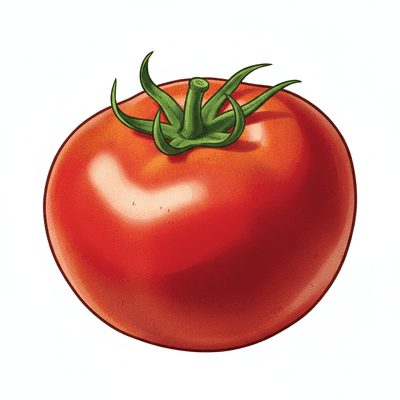
Let us be entirely honest: most home-grown tomatoes are a watery disappointment. We have been coddled by garden centre marketing into accepting mushy, thick-skinned globes that taste of nothing but rain. If you want a tomato that actually demands respect on the plate, you must abandon modern lazy gardening and return to the strict, uncompromising discipline of the traditional cordon.
The Crime of the Watery Fruit
The modern commercial sector has ruined the British palate by prioritizing weight and shelf-life over dry matter and acid balance. To get a truly concentrated flavour, you must control the root run and restrict watering the moment the first trusses begin to colour. Keep your greenhouse well-ventilated to ensure daytime temperatures top out at no more than 26°C during these July afternoons, as excessive heat cooks the delicate sugars before they develop. It is a masterclass in controlled deprivation that lazy weekend gardeners simply cannot pull off.
The Discipline of the Cordon
Traditional cordon training is not a suggestion; it is a moral imperative for the serious glasshouse grower. You must be out there every single morning, pinching out the side shoots with your fingernails before they steal the vine's precious energy. Tie the main stem strictly to stout hazel rods, allowing only a single leader to climb toward the glass. This meticulous restriction forces the plant to pump every ounce of mineral wealth directly into a limited number of high-quality fruits.
The Ultimate Reward: Beef and Brandywine
A properly grown 'Brandywine' or 'Moneymaker' is not destined for a limp, raw salad. It belongs on a warm plate next to a thick, dry-aged Hereford ribeye steak, seared in a screaming-hot cast-iron pan with rosemary and beef dripping. The rich, mineral fat of the rare beef demands the sharp, wine-like acidity of a concentrated, sun-warmed tomato to cut through it. Anything less than this perfect pairing is an insult to both the traditional butcher and the dedicated horticulturalist.
Sources
- For traditional pruning techniques, consult the RHS Guide on Tomato Cultivation.
- For heritage seed selection, see the Heritage Seed Library Catalogue.
Imagery Suggestion
A Ghibli-style botanical illustration showing a lush greenhouse interior on a bright July afternoon. Sunlight streams through glass panes, illuminating heavy, deep-red heritage tomatoes hanging from perfectly trained, single-stem cordons tied to rustic hazel stakes. In the background, a rustic wooden table holds a freshly seared, steaming ribeye steak on a ceramic plate, next to a basket of freshly harvested, plump tomatoes. The art style features soft, hand-painted textures, vibrant greens and rich reds, with a warm, nostalgic atmosphere typical of a Studio Ghibli film scene. Use the cover image path /plants/TOMATO.png.
Featured in this story
End of Article